Wednesday, 19 September 2012

Lomography Cameras


Hi everyone! today i want to share about LOMOGRAPHY CAMERA also known as lomo camera. Since i love many things about gadget especially camera, i want to share something about lomo camera in which it is huge different with digital cameras nowadays. On my opinion, lomography camera is like an old school camera that create old vintage film and polaroid cameras, off colors, wrong focus vignetting effect–these is what traditional photography defines as a ‘bad picture’, but for lomographers, that isn’t the case. They use these ‘wrong’ settings to their advantage, creating one of a kind photos.


example of lomography picture :)

What is lomography?

If you haven’t heard of lomography, it’s time to educate yourself. Whether you are a seasoned photographer or a self-confessed newbie, everyone can be a lomographer.

Lomography is a pretty recent type of photography invented by the Lomographic Society, founded in the early nineties in Austria. The founders first experimented with Lomo LC-A, a cheap Russian toy camera. They were taken by the unique, high contrast photos with vignettes and soft focus. The original lomo cameras are the LC-A, Holga, Fisheye, Colorsplash and Supersampler.

Advantages of lomography camera:


  1. the image is very sharp.
  2. can be fun, but it is more work than a digital camera.
  3. easy to use and perfect for spontaneous snap-shooting.
  4. designed to produce photographic effects such as "oversaturated colors, extreme optical distortions, rainbow-colored subjects, off-kilter exposure, blurring and alternative film processing, all things usually considered bad in photography.
  5. process the film yourself. BW film processing and even color processing are not too difficult to learn and also not very expensive to get into.

According to Lomography.com, there are 10 rules that define ‘lomography’:

  1. Take your camera everywhere you go.
  2. Use it any time - day and night.
  3. Lomography is not an interference in your life, but a part of it.
  4. Try to shoot from the hip.
  5. Approach the objects of your Lomographic desire as close as possible.
  6. Don't think.
  7. Be fast.
  8. You don't have to know beforehand what you captured on film.
  9. Afterwards either.
  10. Don' worry about any rules!

Lomography is considered an art movement; as there are now several stores, galleries, groups, competitions and embassies around the world aiming to spread and support the art. The Lomographic Society International headquarters is in Vienna, Austria, but it maintains a website where lomographers can purchase their cameras, interact with fellow photographers, share their photos and techniques, etc.
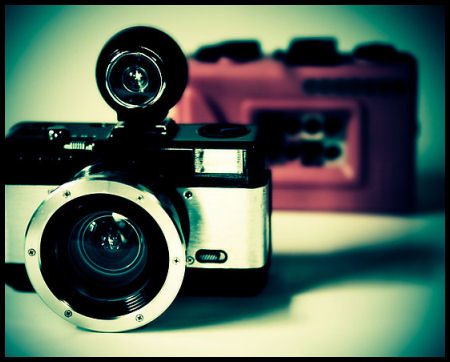


i'm so excited about this camera because it so cuteee!! plus, the price is cheaper and the best advantage is waterproof although this camera is not standard like digital camera still, i think its cool to own it as a collection.

Electronic Data Interchange (EDI)


What is Electronic Data Interchange (EDI)
Electronic Data Interchange (EDI) is the software or system used by companies to exchange data information, files and documents. EDI has replaced the fax machine and mailing list when it comes to information sharing. Using EDI, sharing data is much quicker and cost effective.


How it works

The basic process is like this: a user places an order (i.e., a document) into the computer. The order goes through an interface program. The application edits the order and relays it to the intermediate EDI files.


The purchase order is changed to the EDI standard format the application can decipher. The translation program can function with several programs, allowing the receiver’s system to interpret the order. The modem relays the order through a value added network.
The network proceeds to take the order. From the EDI format it is changed back into the sender’s original format. This allows the receiver to read the document.

Benefits of Using EDI
The system eliminates the need to use paper. This saves money and helps preserve the environment. This also reduces the odds of errors appearing in the documents.
Information sharing becomes quicker and more effectual. The end result is increased productivity. Response times get quicker and management of information is simplified.

Ways to Implement Electronic Data Interchange
Make it clear to everyone what EDI can do for the company. Explain how it can reduce costs associated with postage and invoices. Stress the fact that it will reduce the clerical staff expenses and accelerate processing.
Choosing an EDI System
Look for the appropriate EDI software. These applications have different features and the cost will vary as well. Look for an application that meets your needs and budget. The system must be designed so it can be activated by a single trading partner. However it must be able to support other partners.
Automation is a necessary feature. This will help you put all the steps into sequence. Of course the program must be user friendly. No doubt an advanced system can make tasks a lot simpler. But it is useless if users cannot understand how it works.
Tips
Consider hiring a consultant if you are having a hard time choosing. You should also set up a training seminar to help your employees get used to the new system.
When shopping for software, look for vendors that let you try the program before buying it. This is one of the best ways to determine if the system will work for you. Another good idea is to get recommendations from colleagues.
Of course you want a product that is affordable. However, very cheap products should be avoided. Make sure that the software has the features you need. Using cheap but poor designed software will slow down productivity and cost you more money.
Electronic data interchange uses computers to exchange data. With the efficient way it transmits data, information is processed more quickly and successfully. By using the EDI efficiently, you will be able to cut down on costs and boost productivity.

E - commerce


Special gift for someone special?

bigteddybear2u.com is the perfect place for anyone who interest to buy big teddy bear to their loves one. It is the first e-commerce website that sold big bear in the country. Their product can buy through online, which easy for anyone because we don’t need to buy at shop. It is easy, fast and affordable for everyone.

Their product has multiple sizes of bear which is 1.0 meter, 1.2 meter, 1.6 meter, 2.0 meter and 3.0 meter. The price is estimated form RM140 to RM300 based on the size of the teddy bear. Their product consists of 3 colors: dark brown, light brown and white.


Reasons why you must buy from this website:

ü The price is affordable
ü  High quality TEDDY BEAR (imported from Hong Kong)
ü  Friendly user (easy step to make an order)
ü  Fast delivery (maximum 3 days)
ü  Can check the status order from the website
ü  Free delivery


 How to make an order:
  • click this link  http://bigteddybear2u.com/ 
  • choose any picture of teddy bear that are provided
  • choose the size of teddy bear that you want
  • choose your location 
  • bank in/transfer money at any account provided
  • fill in the delivery form
  • submit the order & done!!
the payment can be made through MAYBANK and CIMB


Bad Effects of Drinking Soy Milk


Hey there! I’m sure that everyone of us would not believe what actually soy milk can bring bad effect to our body. Most of us drink soy milk regularly right? Here some information that I have found and I would like to share with.

Soy milk is a beverage made from soybeans. It is lactose-free. If you are allergic to cow's milk, you can sometimes use soy milk as a substitute. Soy milk varies greatly in nutrient composition depending on the manufacturing process. Generally, it is a rich source of protein, vitamins and minerals. Like everything else, soy milk can have adverse side effects. If you are thinking about soy milk, talk to your doctor.

Thyroid Disease
Soy milk isoflavones -- plant-based estrogens -- have shown to exert an anti-thyroid action in vivo. It also induces goitrogenesis in mice fed with an iodine-deficient diets. Soy milk isoflavones inhibit the enzymatic activity of thyroid peroxidase, or TPO, which is intimately involved in thyroid hormone biosynthesis. Low thyroid hormone production is responsible for the secretion of thyroid stimulating hormone, or TSH, which leads to goitre formation.

Gout
If you have gout, you should limit your intake of foods high in purines such as soy milk. Purines are essential components of cells in the body. These compounds can raise your uric acid levels and set off a gout attack. Gout actually results from urate crystal deposition in and around the joints, which causes the involved the joints to be inflamed and painful.

Allergy
A soy milk allergy causes an abnormal immune response, causing symptoms that range from mild skin reactions to gastrointestinal problems. It occurs when the body's immune system mistakenly attacks a food protein in soy, resulting in the secretion of body chemicals such as histamine. Soy milk allergy is more common in children than in adults. However, most children outgrow soy milk allergy by the age of 2.

Absorption
High levels of phytic acid in soy milk prevent mineral absorption. Your body cannot absorb calcium, magnesium, copper, iron and zinc properly. Besides, soy milk is a rich source of trypsin inhibitors that prevent protein breakdown, thus reducing the digestibility and utilization of essential amino acids. Your body needs nine essential amino acids for proper growth and maintenance.

p/s: we still can drink soy milk however, not constantly :)

A SAFE TRIP ABROAD ツ


When you travel abroad, the odds are you will have a safe and incident-free trip. Travelers can, however, become victims of crime and violence, or experience unexpected difficulties. Happily, most problems can be solved over the phone or with a visit to the Consular Section of the nearest embassy or consulate. Here some following travel tips to help you avoid serious difficulties during your time abroad. Wish you a safe and wonderful journey!


Before You Go
What to Take


Safety begins when you pack. To help avoid becoming a target, do not dress in a way that could mark you as an affluent tourist. Expensive-looking jewelry, for instance, can draw the wrong attention.

Always try to travel light. You can move more quickly and will be more likely to have a free hand. You will also be less tired and less likely to set your luggage down, leaving it unattended.

Carry the minimum number of valuables, and plan places to conceal them. Your passport, cash and credit cards are most secure when locked in a hotel safe. Avoid handbags, fanny packs and outside pockets that are easy targets for thieves.

If you wear glasses, pack an extra pair. Pack them and any medicines you need in your carry-on luggage.

To avoid problems when passing through customs, keep medicines in their original, labels containers. Bring copies of your prescriptions and the generic names for the drugs. If a medication is unusual or contains narcotics, carry a letter from your doctor attesting to your need to take the drug. If you have any doubt about the legality of carrying a certain drug into a country, consult the embassy or consulate of that country before you travel.

Bring travelers’ checks and one or two major credit cards instead of cash.

Pack an extra set of passport photos along with a photocopy of your passport’s information page to make replacement of your passport easier in the event it is lost or stolen.

Put your name, address and telephone numbers inside and outside of each piece of luggage. Use covered luggage tags to avoid casual observation of your identity or nationality. If possible, lock your luggage.

What to Leave Behind

Don't bring anything you would hate to lose. Leave at home:

· Valuable or expensive-looking jewelry

· Irreplaceable family objects

· All unnecessary credit cards

· Your Social Security card, library card, and similar items you may routinely carry in your wallet.

Leave a copy of your itinerary with family or friends at home in case they need to contact you in an emergency.

Make two photocopies of your passport identification page, airline tickets, driver's license and the credit cards that you plan to bring with you. Leave one photocopy of this data with family or friends at home; pack the other in a place separate from where you carry the originals.

Leave a copy of the serial numbers of your travelers' checks with a friend or relative at home. Carry your copy with you in a separate place and, as you cash the checks, cross them off the list.
What to Learn About Before You Go

Local Laws and Customs

When you leave the country, you are subject to the laws of the country you are visiting. Therefore, before you go, learn as much as you can about the local laws and customs of the places you plan to visit. Good resources are your library, your travel agent, and the embassies, consulates or tourist bureaus of the countries you will visit. In addition, keep track of what is being reported in the media about recent developments in those countries.


Things to Arrange Before You Go


Your Itinerary

As much as possible, plan to stay in larger hotels that have more elaborate security. Safety experts recommend booking a room from the second to seventh floors above ground level – high enough to deter easy entry from outside, but low enough for fire equipment to reach.

When there is a choice of airport or airline, ask your travel agent about comparative safety records.

Legal Documents


Have your affairs in order at home. If you leave a current will, insurance documents, and power of attorney with your family or a friend, you can feel secure about travelling and will be prepared for any emergency that may arise while you are away. If you have minor children, consider making guardianship arrangements for them.

Credit

Make a note of the credit limit on each credit card that you bring, and avoid charging over that limit while travelling. Americans have been arrested for innocently exceeding their credit limit. Ask your credit card company how to report the loss of your card from abroad. 1-800 numbers do not work from abroad, but your company should have a number that you can call while you are overseas.

Insurance


Find out if your personal property insurance covers you for loss or theft abroad. Also, check on whether your health insurance covers you abroad. Medicare and Medicaid do not provide payment for medical care outside the United States. Even if your health insurance will reimburse you for medical care that you pay for abroad, health insurance usually does not pay for medical evacuation from a remote area or from a country where medical facilities are inadequate. Consider purchasing a policy designed for travelers, and covering short-term health and emergency assistance, as well as medical evacuation in the event of an accident or serious illness.
Precautions to Take While Travelling

Safety on the Street


Use the same common sense travelling overseas that you would at home. Be especially cautious in (or avoid) areas where you may be more easily victimized. These include crowded subways, train stations, elevators. Don't use short cuts, narrow alleys or poorly lit streets.

  • Try not to travel alone at night.
  • Avoid public demonstrations and other civil disturbances.
  •  Keep a low profile and avoid loud conversations or arguments.
  •  Do not discuss travel plans or other personal matters with strangers.
  •  Avoid scam artists by being wary of strangers who approach you and offer to be your guide or sell you something at bargain prices
  •  Beware of pickpockets. They often have an accomplice who will:
    - jostle you,
    - ask you for directions or the time,
    - point to something spilled on your clothing,
    - or distract you by creating a disturbance.
  • Beware of groups of vagrant children who could create a distraction to pick your pocket.
  •  Wear the shoulder strap of your bag across your chest and walk with the bag away from the curb to avoid drive-by purse-snatchers.
  •  Learn a few phrases in the local language or have them handy in written form so that you can signal your need for police or medical help.
  •  Make a note of emergency telephone numbers you may need: police, fire, your hotel, and the nearest embassy or consulate.
  • If you are confronted, don't fight back -- give up your valuables. tourist sites, market places, festivals and crime-ridden neighborhoods.

Safety in Your Hotel 

  •  Keep your hotel door locked at all times. Meet visitors in the lobby.
  •  Do not leave money and other valuables in your hotel room while you are out. Use the hotel safe
  • If you are out late at night, let someone know when you expect to return.
  •  If you are alone, do not get on an elevator if there is a suspicious-looking person inside.


· Read the fire safety instructions in your hotel room. Know how to report a fire, and be sure you know where the nearest fire exits and alternate exits are located. (Count the doors between your room and the nearest exit; this could be a lifesaver if you have to crawl through a smoke-filled corridor.)
Safety on Public Transportation

If a country has a pattern of tourists being targeted by criminals on public transport, that information is mentioned in each country’s Country Specific Information in the section about crime.

Taxis

Only take taxis clearly identified with official markings. Beware of unmarked cabs.

Trains

Well-organized, systematic robbery of passengers on trains along popular tourist routes is a problem. It is more common at night and especially on overnight trains.

If you see your way being blocked by a stranger and another person is very close to you from behind, move away. This can happen in the corridor of the train or on the platform or station.

Do not accept food or drink from strangers. Criminals have been known to drug food or drink offered to passengers. Criminals may also spray sleeping gas in train compartments. Where possible, lock your compartment. If it cannot be locked securely, take turns sleeping in shifts with your travelling companions. If that is not possible, stay awake. If you must sleep unprotected, tie down your luggage and secure your valuables to the extent possible.

Do not be afraid to alert authorities if you feel threatened in any way. Extra police are often assigned to ride trains on routes where crime is a serious problem.

Buses

The same type of criminal activity found on trains can be found on public buses on popular tourist routes. For example, tourists have been drugged and robbed while sleeping on buses or in bus stations. In some countries, whole busloads of passengers have been held up and robbed by gangs of bandits.


Safety When You Drive


  •  Keep car doors locked at all times. Wear seat belts.
  •  As much as possible, avoid driving at night.
  • Don't leave valuables in the car. If you must carry things with you, keep them out of sight locked in the trunk, and then take them with you when you leave the car.
  •  Don't park your car on the street overnight. If the hotel or municipality does not have a parking garage or other secure area, select a well-lit area.
  • Never pick up hitchhikers.
  •  Don't get out of the car if there are suspicious looking individuals nearby. Drive away.

How to Handle Money Safely

  • To avoid carrying large amounts of cash, change your travelers’ checks only as you need currency. 
  •  Make sure your credit card is returned to you after each transaction.
  •  Deal only with authorized agents when you exchange money, buy airline tickets or purchase souvenirs. Do not change money on the black market.


If your possessions are lost or stolen, report the loss immediately to the local police. Keep a copy of the police report for insurance claims and as an explanation of what happened.

After reporting missing items to the police, report the loss or theft of:


  •  Travelers' checks to the nearest agent of the issuing company
  •  Credit cards to the issuing company
  •  Airline tickets to the airline or travel agent


How to Avoid Legal Difficulties


When you are in a foreign country, you are subject to its laws and are under its jurisdiction. You can be arrested overseas for actions that may be either legal or considered minor infractions. Familiarize yourself with legal expectations in the countries you will visit.